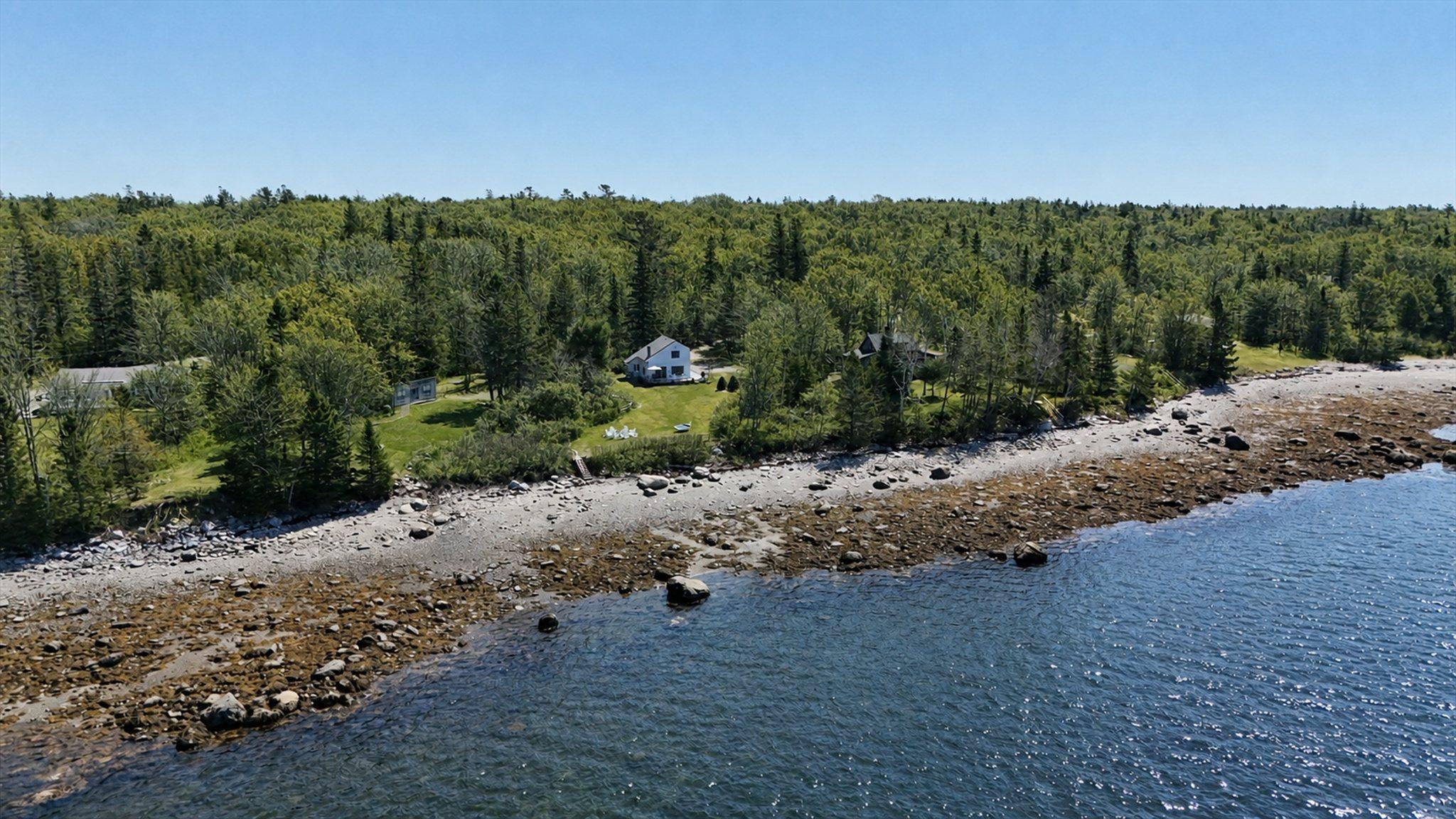
Stilla · July 18, 2026 · Updated July 21, 2026
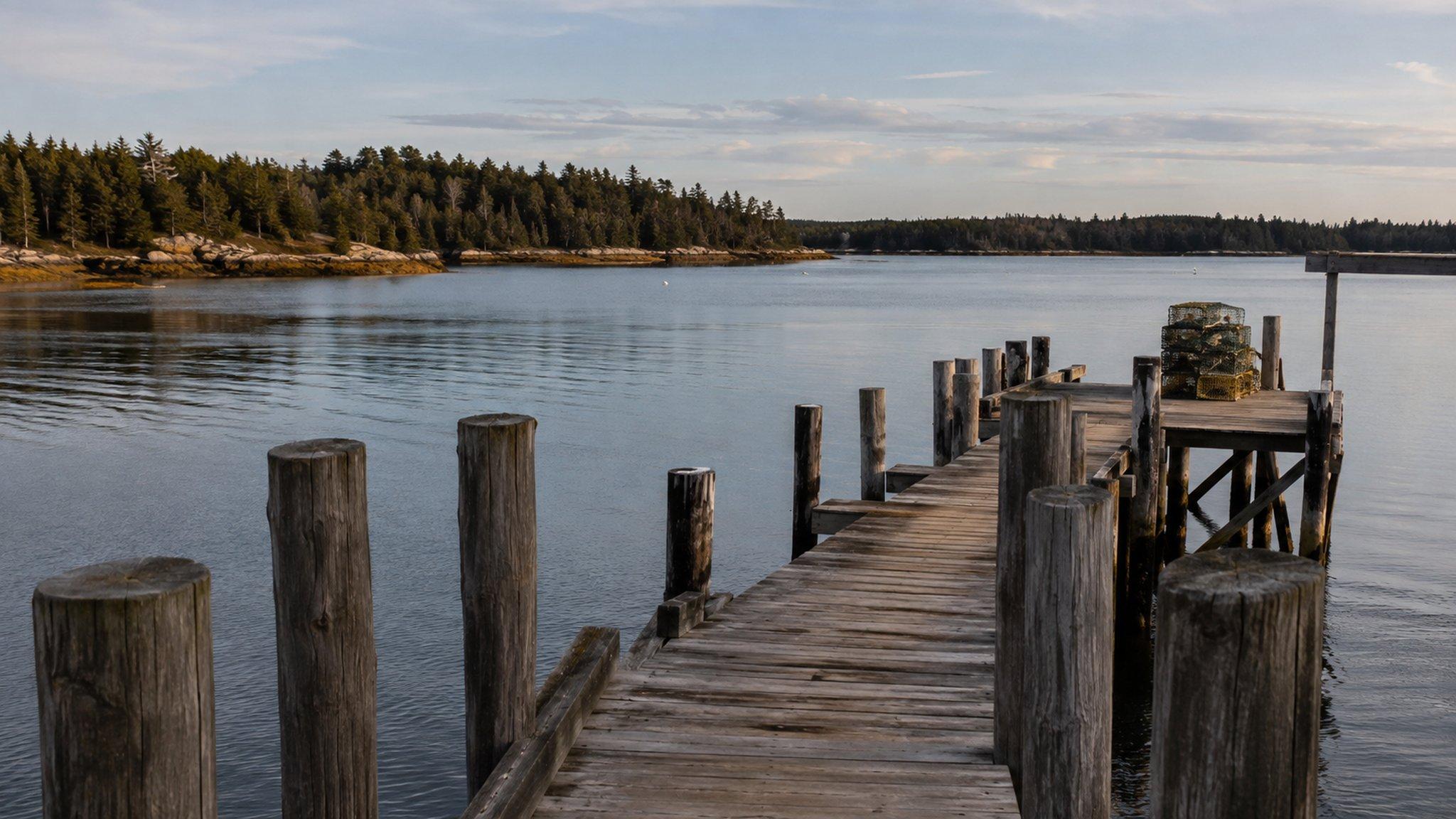
The scenery is the easy part to love. What takes a little longer to notice — and what stays with you — is that this coast has a culture, one older than the national park and the summer traffic: a working culture of boats and traps and tides, of families who read the water for a living and still do.
You can see it from the house. The lobster boats that cross Union River Bay at first light aren't there for the view; they're hauling traps the way people here have for generations. The pound you pass on the way to the bridge steams the day's catch over a wood fire. The rhythm of the whole place is still set by the sea and the seasons, not by a calendar — and that's the real thing you're staying inside of, underneath the Acadia postcards.
A boyhood written on this shore
If you want to understand where you are, there's a book worth knowing about. The maritime historian Ernest Stanley Dodge — who spent his career among ships and the people who sailed them — grew up in Ellsworth, the town at the head of Union River Bay about ten minutes up the road from the house, and set down his memories of this Downeast coast in a memoir called Morning Was Starlight: My Maine Boyhood. It was excerpted in The Atlantic in 1982.
It's a portrait of the Maine that this shoreline remembers: a childhood measured in tides and weather, in the work of the water and the turn of the seasons, in a self-reliant coastal life that ran on what the bay and the woods provided. Reading it is the closest thing to standing on these ledges a hundred years ago and having someone who lived it tell you what you're looking at. We won't reprint it here — it's Dodge's work, and worth reading whole — but we point guests to it happily.
Find the book
Morning Was Starlight: My Maine Boyhood by Ernest Stanley Dodge is out of print, but easy to find secondhand. Look for it on AbeBooks or Alibris, or read the 1982 Atlantic excerpt. It makes ideal porch reading during a stay.
What the working coast still looks like
The good news is that the culture Dodge grew up in hasn't vanished — it's just quieter than the crowds on the island, and you have a front-row seat to it here on the mainland — on Union River Bay in Trenton, at the western edge of the Frenchman Bay country, with the working harbors of Hancock and the Schoodic shore just up the coast. A few things to watch for while you're staying:
- The lobster boats — out at dawn, hauling on the bay
- The ten-foot tide — the clock everything still runs on
- The working pounds — lobster sold where it's landed
- The eagles & seals — the bay's original residents
Buy your lobster off the boat at a pound and cook it on the deck; watch the tide turn the shore into a different place twice a day; notice how the light and the work shift with the season. That's not a re-enactment for visitors — it's simply how this coast still lives, and staying in Trenton puts you in the middle of it rather than beside a parking lot in town.
The seasons, honestly
The old coastal culture was above all seasonal, and that's still the truest way to understand a visit here. Summer is the green, busy, long-lit season everyone pictures; autumn turns the wooded drive to color and thins the crowds while the water is still warm enough to love; spring and late fall are raw and quiet in the best way, the coast handed back to the people who live on it. Each one is a different book. Dodge's is a good companion for all of them.
Dodge grew up right here — in Ellsworth, the town where you'll do your own grocery run on the way in — which is what makes the book read less like history and more like a letter from a neighbor, a century back.